Advance Discount Ends Thursday, December 31

Advance Discount Ends Thursday, December 31

Foundation models, virtual cells, AI-designed molecules, self-driving labs, and the companies putting them to work.

SynBioBeta 2027 May 3-6, San Jose, California

  • var(--variable-xyeEn_rYM)

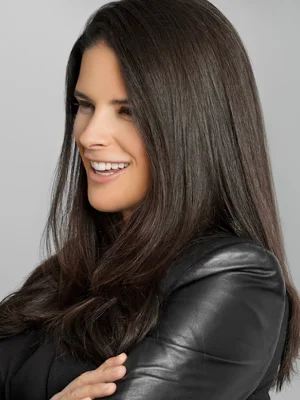
    George

    Church

    Harvard Medical School

    Professor
  • var(--variable-xyeEn_rYM)

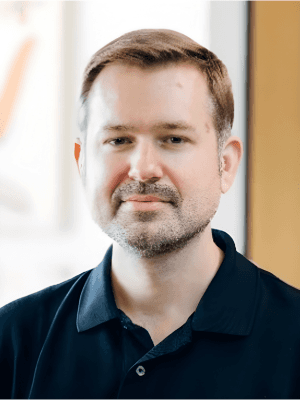
    Alex

    Rives

    CZI Biohub

    Head of Science

  • var(--variable-xyeEn_rYM)

    Aliza

    Apple

    Eli Lilly

    Vice President of Catalyze360 AI/ML
  • var(--variable-xyeEn_rYM)

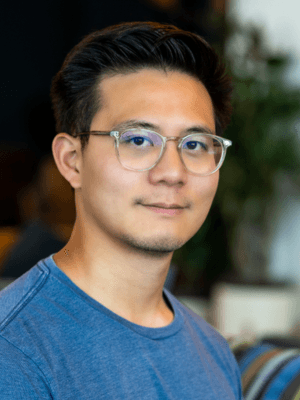
    Patrick

    Hsu

    Arc Institute

    Co-Founder

  • var(--variable-xyeEn_rYM)

    Stef

    van Grieken

    Cradle

    CEO

  • var(--variable-xyeEn_rYM)

    Jorge

    Reis-Filho

    Foresite Labs

    CSO, Operating Partner
  • var(--variable-xyeEn_rYM)

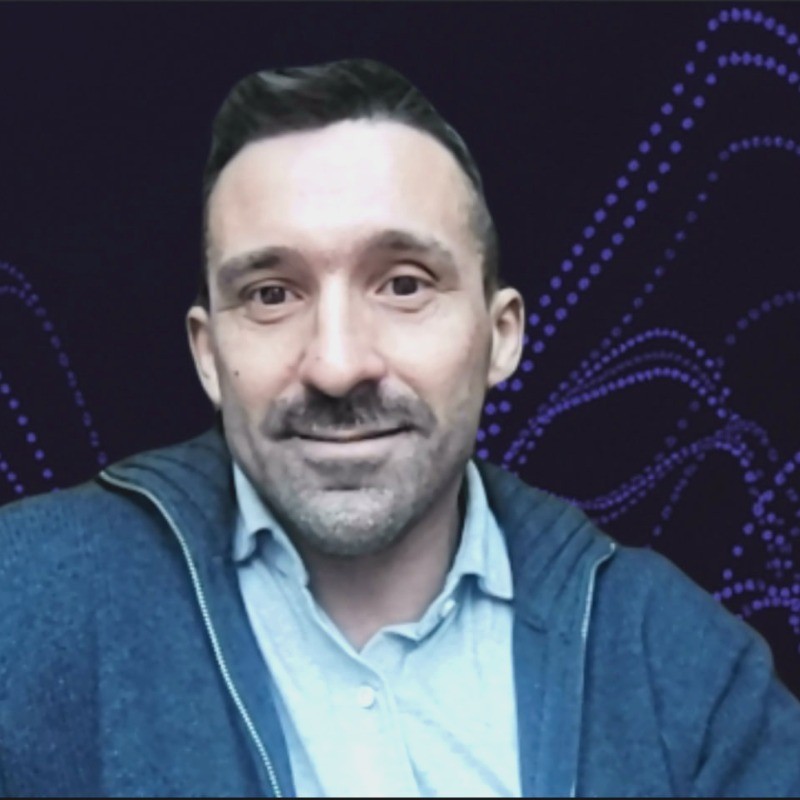
    Eli

    Black

    Xellsion.AI

    Founder and CEO

  • var(--variable-xyeEn_rYM)

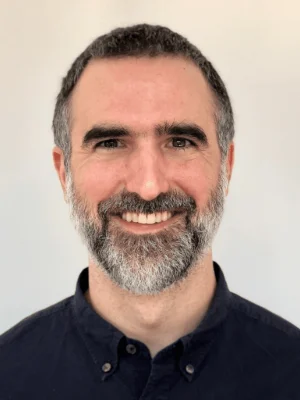
    Yogev

    Debbi

    Mana.bio

    Co-Founder & CEO
  • var(--variable-xyeEn_rYM)

    Eric

    Kelsic

    Dyno Therapeutics

    CEO & Founder

Two speakers in a fireside chat on the SynBioBeta main stage, one gesturing mid-conversation

AIxBIO

Biology is becoming computable, and the pipeline is compressing.

Biology is becoming computable, and the consequences run the length of the field.

At the foundation, virtual cells and biological foundation models are replacing incomplete mental models with systems that predict rather than guess. Downstream, that predictive power is compressing the therapeutic pipeline: targets validated faster, molecules and proteins designed generatively, toxicity anticipated before the clinic, delivery engineered to reach the right tissue. Around it, labs are learning to run themselves, with autonomous hardware and AI agents closing the loop between hypothesis and evidence without waiting on human pace. And at the far end, where good candidates still fail, AI is reshaping trial design, patient stratification, and the real-world evidence that determines whether a therapy actually helps anyone.

This theme follows that arc from first principles to patient outcomes, and asks the question the field keeps circling: where is it real, and where is it still a promise?

Where youโ€™ll meet the people
building the next decade of AI-driven biology.

Frontier Biology

Foundational and platform science reshaping how we understand and engineer biological systems โ€” virtual cells, programmable metabolism, and foundation models for biology โ€” ahead of any specific therapeutic application. Most biological research still operates on incomplete models of cellular behavior, forcing researchers to iterate expensively in wet labs rather than simulate and predict outcomes computationally. This subset covers the platform-level science aiming to change that: virtual cell models, foundation models trained on biological data, and programmable metabolic frameworks that will eventually underpin therapeutic, industrial, and agricultural applications alike, even though none of it is tied to a specific product yet.

Clinical & Translational AI

Even a well-designed drug candidate can fail in the clinic due to poor trial design, the wrong patient population, or evidence gaps that only surface after approval โ€” problems that happen downstream of discovery, not within it, and ones that patients and physicians experience directly. This subset covers AI applied to the clinical and translational stages of development: patient stratification and trial design, real-world evidence and outcomes prediction, biomarker-driven patient selection, and regulatory-facing AI tools โ€” alongside the patient advocacy groups and physicians whose input shapes what "works" actually means in practice, bridging the gap between a validated target or molecule and a therapy that delivers real-world benefit.

Drug Discovery & Delivery

AI applied across the full therapeutic pipeline โ€” target identification, molecule and protein design, hit-to-lead optimization, ADMET prediction, biomarker discovery, and delivery system design โ€” for programs with a defined drug candidate or target. Traditional drug development remains slow and expensive, with most candidates failing in the clinic due to poor target selection, weak efficacy, or delivery limitations discovered too late in the process. This subset covers AI-driven tools compressing that pipeline: platforms accelerating target validation, generative molecule and protein design, predictive toxicology, and smarter delivery systems (LNPs, viral vectors, novel carriers) getting therapeutics to the right tissue reliably.

Autonomous Labs

Self-driving labs, design-build-test-learn loops, and AI agents that plan, execute, and iterate on experiments โ€” automating the scientific method itself, across any stage of research or discovery. Scientific progress is still bottlenecked by human-paced experimentation: manually designing hypotheses, running assays, and interpreting results one cycle at a time. This subset covers the automation layer changing that, from autonomous lab hardware executing experiments without human intervention to AI agents that generate hypotheses, orchestrate multi-step research workflows, and close the loop between prediction and experimental validation โ€” applicable to any domain, not just one indication or modality.

Frontier Biology

Foundational and platform science reshaping how we understand and engineer biological systems โ€” virtual cells, programmable metabolism, and foundation models for biology โ€” ahead of any specific therapeutic application. Most biological research still operates on incomplete models of cellular behavior, forcing researchers to iterate expensively in wet labs rather than simulate and predict outcomes computationally. This subset covers the platform-level science aiming to change that: virtual cell models, foundation models trained on biological data, and programmable metabolic frameworks that will eventually underpin therapeutic, industrial, and agricultural applications alike, even though none of it is tied to a specific product yet.

Drug Discovery & Delivery

AI applied across the full therapeutic pipeline โ€” target identification, molecule and protein design, hit-to-lead optimization, ADMET prediction, biomarker discovery, and delivery system design โ€” for programs with a defined drug candidate or target. Traditional drug development remains slow and expensive, with most candidates failing in the clinic due to poor target selection, weak efficacy, or delivery limitations discovered too late in the process. This subset covers AI-driven tools compressing that pipeline: platforms accelerating target validation, generative molecule and protein design, predictive toxicology, and smarter delivery systems (LNPs, viral vectors, novel carriers) getting therapeutics to the right tissue reliably.

Autonomous Labs

Self-driving labs, design-build-test-learn loops, and AI agents that plan, execute, and iterate on experiments โ€” automating the scientific method itself, across any stage of research or discovery. Scientific progress is still bottlenecked by human-paced experimentation: manually designing hypotheses, running assays, and interpreting results one cycle at a time. This subset covers the automation layer changing that, from autonomous lab hardware executing experiments without human intervention to AI agents that generate hypotheses, orchestrate multi-step research workflows, and close the loop between prediction and experimental validation โ€” applicable to any domain, not just one indication or modality.

Clinical & Translational AI

Even a well-designed drug candidate can fail in the clinic due to poor trial design, the wrong patient population, or evidence gaps that only surface after approval โ€” problems that happen downstream of discovery, not within it, and ones that patients and physicians experience directly. This subset covers AI applied to the clinical and translational stages of development: patient stratification and trial design, real-world evidence and outcomes prediction, biomarker-driven patient selection, and regulatory-facing AI tools โ€” alongside the patient advocacy groups and physicians whose input shapes what "works" actually means in practice, bridging the gap between a validated target or molecule and a therapy that delivers real-world benefit.

Frontier Biology

Foundational and platform science reshaping how we understand and engineer biological systems โ€” virtual cells, programmable metabolism, and foundation models for biology โ€” ahead of any specific therapeutic application. Most biological research still operates on incomplete models of cellular behavior, forcing researchers to iterate expensively in wet labs rather than simulate and predict outcomes computationally. This subset covers the platform-level science aiming to change that: virtual cell models, foundation models trained on biological data, and programmable metabolic frameworks that will eventually underpin therapeutic, industrial, and agricultural applications alike, even though none of it is tied to a specific product yet.

Clinical & Translational AI

Even a well-designed drug candidate can fail in the clinic due to poor trial design, the wrong patient population, or evidence gaps that only surface after approval โ€” problems that happen downstream of discovery, not within it, and ones that patients and physicians experience directly. This subset covers AI applied to the clinical and translational stages of development: patient stratification and trial design, real-world evidence and outcomes prediction, biomarker-driven patient selection, and regulatory-facing AI tools โ€” alongside the patient advocacy groups and physicians whose input shapes what "works" actually means in practice, bridging the gap between a validated target or molecule and a therapy that delivers real-world benefit.

Drug Discovery & Delivery

AI applied across the full therapeutic pipeline โ€” target identification, molecule and protein design, hit-to-lead optimization, ADMET prediction, biomarker discovery, and delivery system design โ€” for programs with a defined drug candidate or target. Traditional drug development remains slow and expensive, with most candidates failing in the clinic due to poor target selection, weak efficacy, or delivery limitations discovered too late in the process. This subset covers AI-driven tools compressing that pipeline: platforms accelerating target validation, generative molecule and protein design, predictive toxicology, and smarter delivery systems (LNPs, viral vectors, novel carriers) getting therapeutics to the right tissue reliably.

Autonomous Labs

Self-driving labs, design-build-test-learn loops, and AI agents that plan, execute, and iterate on experiments โ€” automating the scientific method itself, across any stage of research or discovery. Scientific progress is still bottlenecked by human-paced experimentation: manually designing hypotheses, running assays, and interpreting results one cycle at a time. This subset covers the automation layer changing that, from autonomous lab hardware executing experiments without human intervention to AI agents that generate hypotheses, orchestrate multi-step research workflows, and close the loop between prediction and experimental validation โ€” applicable to any domain, not just one indication or modality.

Meet the Sponsors & Exhibitors

Get Your Company in Front of 2,000 Decision-Makers in Biotech

Blue watercolor background with lime speckles
LOGO
LOGO
LOGO
LOGO
LOGO
LOGO
LOGO
LOGO
LOGO
LOGO
LOGO
LOGO
LOGO
LOGO
LOGO
LOGO
LOGO
LOGO
Sponsor logo

Acrisure

Sponsor logo

Anocca AB

Sponsor logo

Bold View Capital

Sponsor logo

Cradle

Sponsor logo

EverGlade Consulting

Sponsor logo

Evonik

Sponsor logo

Federov

Sponsor logo

Frontiers

Sponsor logo

Gator Bio

Sponsor logo

Genoa Ventures

Sponsor logo

Genyro

Sponsor logo

Hamilton Company

Sponsor logo

IKA Works

Sponsor logo

Ingenza

Sponsor logo

Lab Thread

Sponsor logo

Miibio

Sponsor logo

NunaBio

Sponsor logo

Omega Bio-Tek

Sponsor logo

Procter & Gamble

Sponsor logo

Pumpkinseed

Sponsor logo

The Bioforge

Sponsor logo

Twig

Sponsor logo

Xellsion.AI

Sponsor logo

3dr

Sponsor logo

Agentic Bio

Sponsor logo

Aminoverse

Sponsor logo

Andgel Industrial (Shanghai) Co., Ltd.

Sponsor logo

Ansa Biotechnologies

Sponsor logo

Bay Area Cancer Connections

Sponsor logo

Bio Base Europe Pilot Plant

Bunker Bio

Sponsor logo

DoriNano Inc

Sponsor logo

Dyno Therapeutics

Sponsor logo

Flock Bio

Sponsor logo

Korea Institute Of Science And Technology

Sponsor logo

Matter Bio

Sponsor logo

Matterworks

Sponsor logo

New England Biolabs

Origenity

Sponsor logo

Rainbow Crops

Sponsor logo

Solaris Biotech by Donaldson

Sponsor logo

Substrate Bio

Sponsor logo

Sunthetics AI

Sponsor logo

Talaria Biosciences

Sponsor logo

Twist Bioscience

Why People Keep Coming Back
Image

โ€

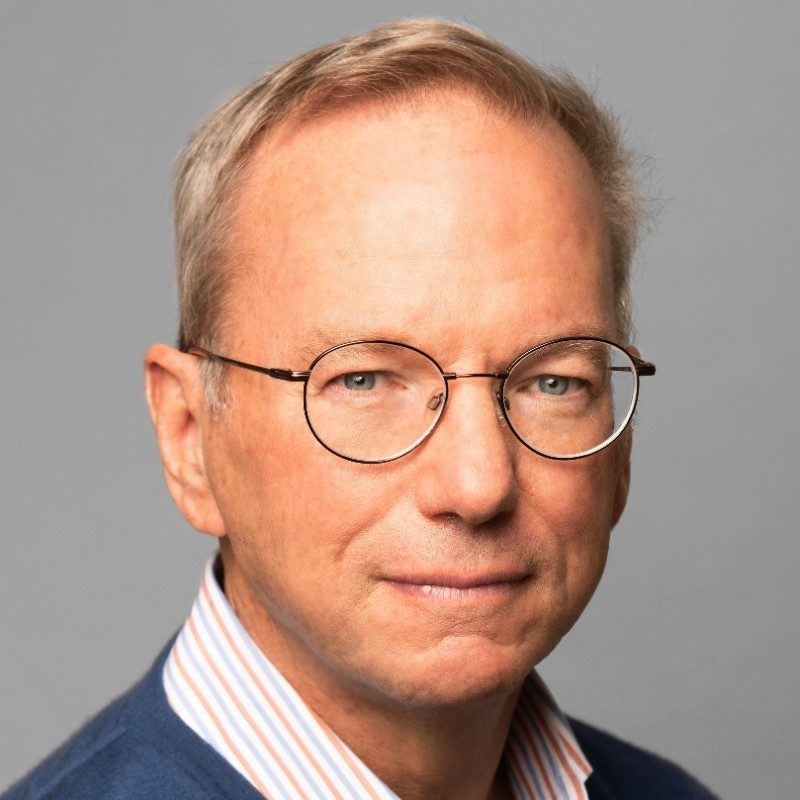
SynBioBeta is a whoโ€™s who of AI and biology. This is where the future is being built, so don't miss it.

Eric Schmidt

Former CEO

Image
Image

โ€

Nabla was accelerated into existence because of SynBioBeta. I met Seth Bannon from 50 Years, Cee Cee Schnugg from Boom Capital, and others from Y Combinator there, and those same people seeded Nabla. The vibe, leverage, and energy at SynBioBeta are unreal.

Surge Biswas

Founder
Image
Image

โ€

I met Algen at SynBioBeta and later invested in the company. It's exactly the kind of connection that makes the community so valuable.

Bill Tai

Co-founder
Image
Image

โ€

For every single fund at Boom Capital, one of our best companies has come directly from SynBioBeta. I met Mammoth Bio at SynBioBeta, and I met Nabla Bio at SynBioBeta.

Celestine Schnugg

Founder
Image

Secure Your Spot in the Exhibit Hall

Do Business with the CEOs, Executives, and Investors
Driving the Global Bioeconomy

Do Business with the CEOs, Executives, and Investors Driving the Global Bioeconomy

SynBioBeta logo sticker

Join for

Event Updates

Be the first to know about speakers, topics, and event highlights.

May 3-6,

2027

San Jose Convention Center

California, USA

Blue watercolour illustration of a folded protein ribbon, the AIxBio theme mark