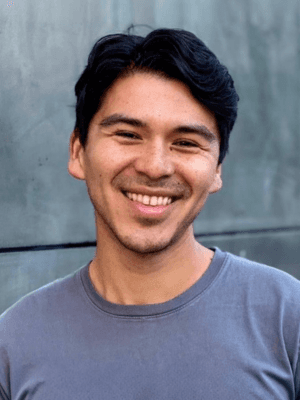
SynBioBeta Speaker
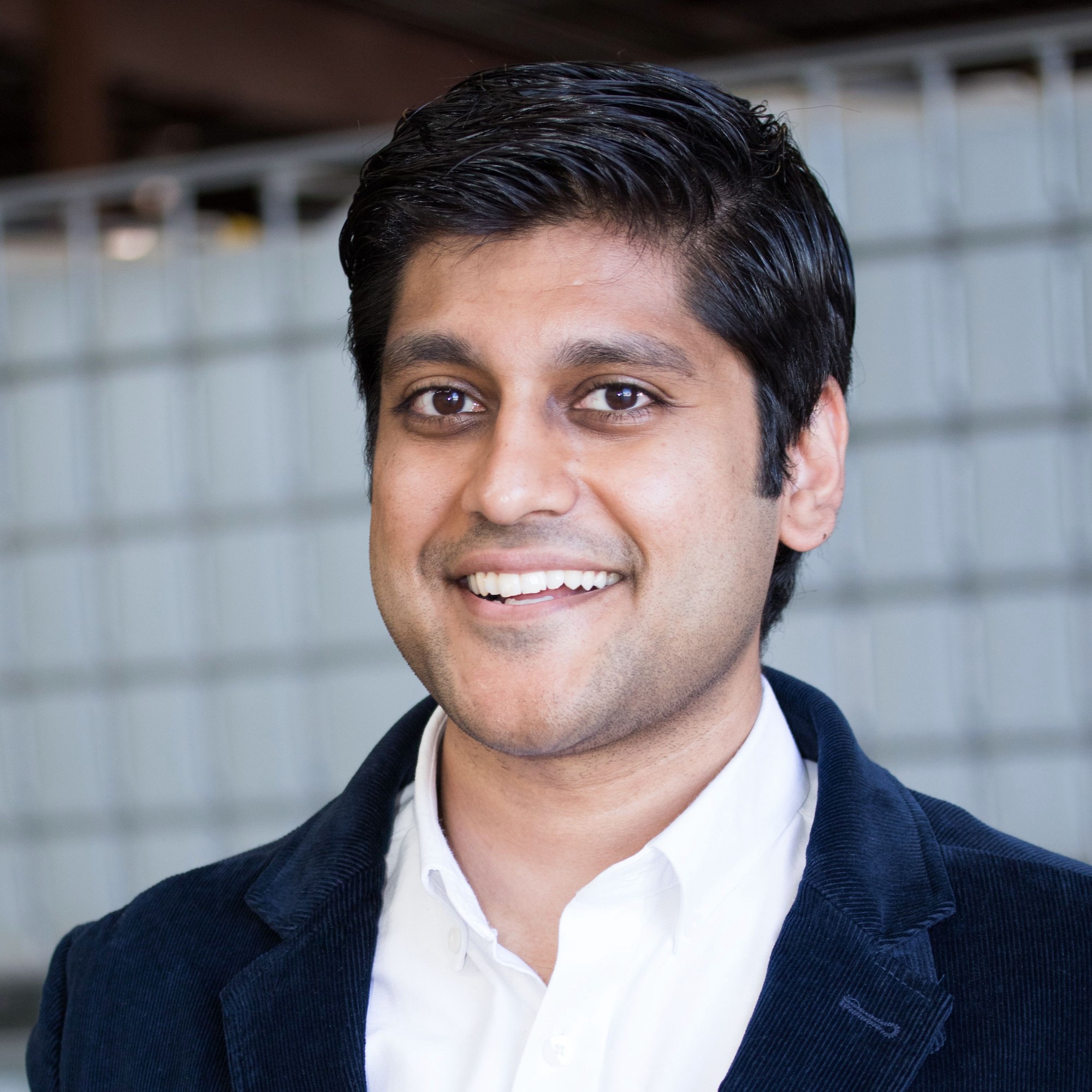
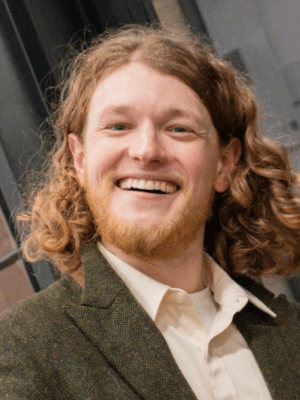
Daniel Chan
Medra
Member of Technical Staff
Daniel Chan is a Member of Technical Staff at Medra, where he leads robotics on Medra Lab 1 - the largest autonomous wetlab in America. Previously, he led deployments and applied AI. His work sits at the intersection of robotics, AI, and biology. Before Medra, Daniel worked on robotics systems at Hyundai New Horizons Studio and Amazon’s Grand Challenge Lab. He holds BS and MS degrees in Mechanical Engineering from Stanford University.

Sessions Featuring
Daniel
This Year
•
-
Tools & Tech
Hypothesis Machines: Multi-Agent Systems for Scientific Insight
What happens when AI systems stop being tools and begin acting like collaborators in scientific thought? Multi-agent architectures such as SciAgents and Google’s “AI Co-Scientist” are pioneering hypothesis generation by dividing scientific reasoning into specialized sub-agents: literature retrievers, causal mappers, and graph-based reasoners. Unlike single models, these teams of agents mimic the structure of scientific collaboration itself — brainstorming, critiquing, and refining ideas. In synthetic biology, such systems could propose new gene circuits, uncover hidden regulatory logic, or suggest underexplored protein folds. This session asks: how far should we trust AI-generated hypotheses, and how do we validate them responsibly? With machine-driven insight now on the horizon, the very architecture of discovery may shift — from lone researchers and teams of humans to networks of humans and machines co-creating the future of biology.
Featuring
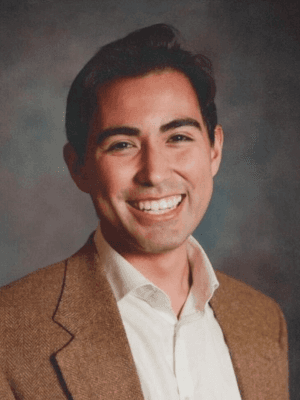
Cristian Ponce
Tetsuwan
CEO
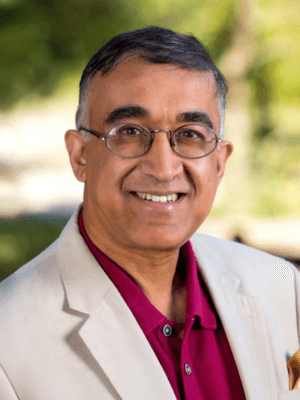
Ronjon Nag
Superbio.ai / Stanford
CEO / Adjunct Prof
Daniel Chan
Medra
Member of Technical Staff
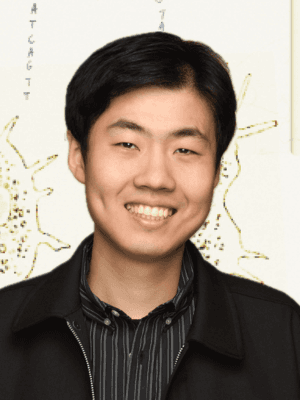
Kexin Huang
Phylo
Co-founder & CEO
Aaron Blotnick
SynBioBeta
Bay Area Community Manager
Bay Area Bioeconomy superconnector at SynBioBeta
•
-
Tools & Tech
Hypothesis Machines: Multi-Agent Systems for Scientific Insight
What happens when AI systems stop being tools and begin acting like collaborators in scientific thought? Multi-agent architectures such as SciAgents and Google’s “AI Co-Scientist” are pioneering hypothesis generation by dividing scientific reasoning into specialized sub-agents: literature retrievers, causal mappers, and graph-based reasoners. Unlike single models, these teams of agents mimic the structure of scientific collaboration itself — brainstorming, critiquing, and refining ideas. In synthetic biology, such systems could propose new gene circuits, uncover hidden regulatory logic, or suggest underexplored protein folds. This session asks: how far should we trust AI-generated hypotheses, and how do we validate them responsibly? With machine-driven insight now on the horizon, the very architecture of discovery may shift — from lone researchers and teams of humans to networks of humans and machines co-creating the future of biology.
Featuring
Cristian Ponce
Tetsuwan
CEO
Ronjon Nag
Superbio.ai / Stanford
CEO / Adjunct Prof
Daniel Chan
Medra
Member of Technical Staff
Kexin Huang
Phylo
Co-founder & CEO
Aaron Blotnick
SynBioBeta
Bay Area Community Manager
Bay Area Bioeconomy superconnector at SynBioBeta