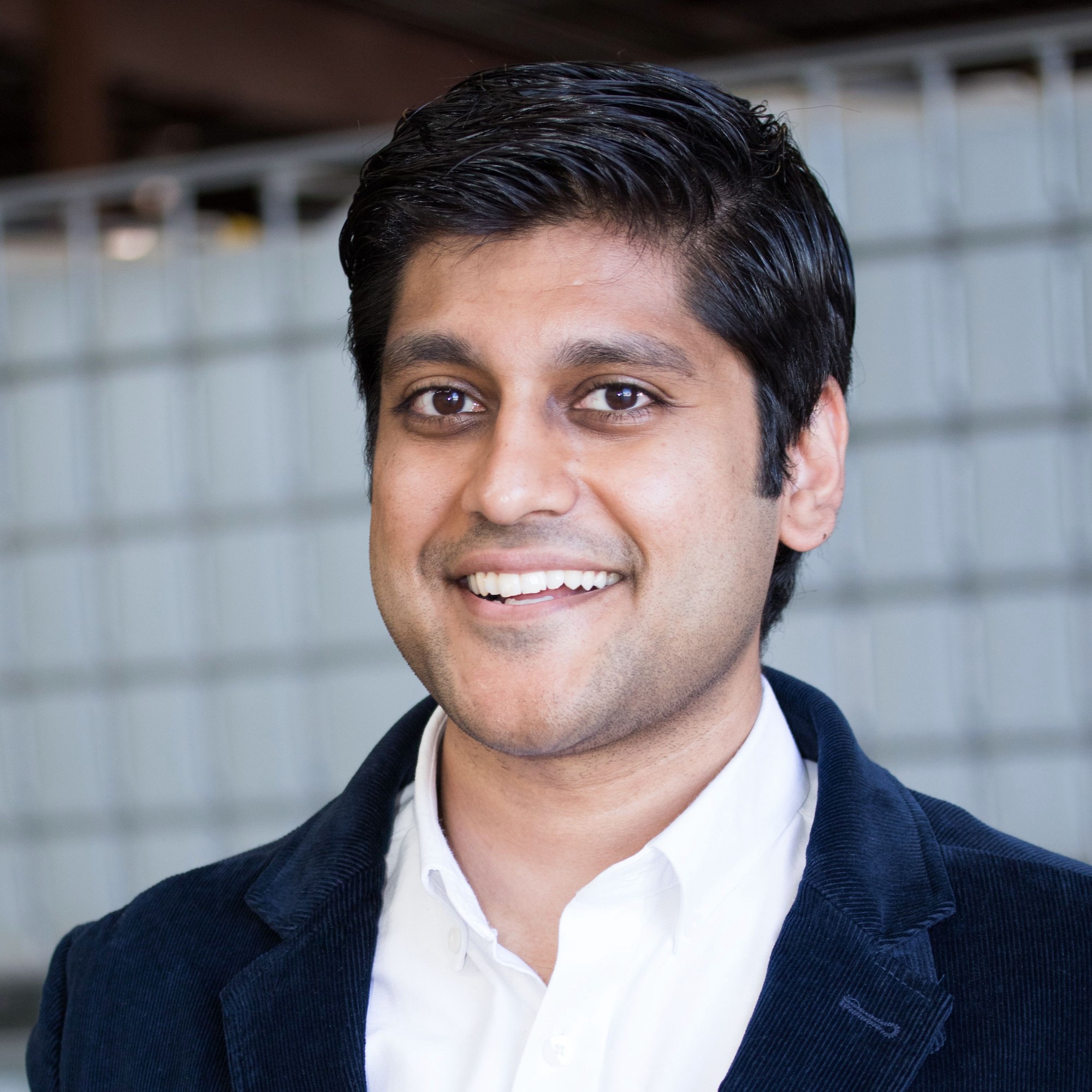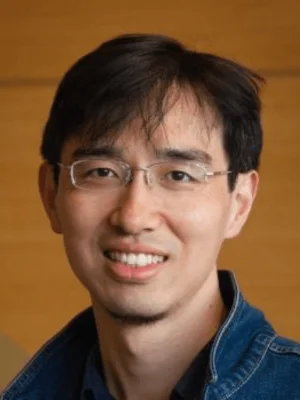
SynBioBeta Speaker

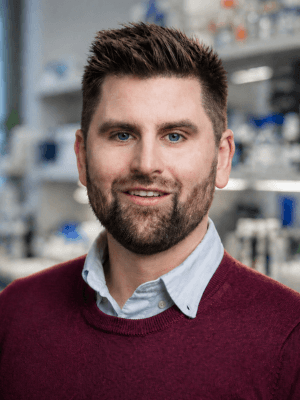
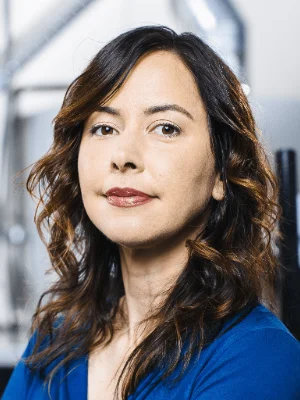
Le Cong

Stanford University

Associate Professor

Dr. Cong's group is developing technology for large-scale genome editing and gene insertion for gene&cell therapy, integrating advance from metagenomics, computational biology, and high-throughput engineering. In parallel, the group also leverages these gene-editing tools for single-cell functional screening, to probe the molecular mechanisms of innate immunity in cancer and neuro-immune diseases. To accelerate these efforts, Dr. Cong's team integrates AI and machine learning into genome technologies, to design and evolve gene-editing proteins and RNAs in silico, significantly enhancing the efficiency and capabilities of these therapeutic molecules.

Dr. Cong's work has led to one of the first CRISPR/Cas9 gene-editing tools for in vivo gene therapy. More recently, his group invented tools for cleavage-free large gene insertion with novel recombination proteins (SSAP editor), and developed machine-learning optimized single-cell methods (DAISY) for studying cancer and immune diseases. Dr. Cong is a recipient of the NHGRI Genomic Innovator Award, Baxter Foundation Faculty Scholar, Genetic Engineering and Biotechnology News (GEN) Top 10 Under 40, Clinical OMICs Pioneers Under 40, and Clarivate Web of Science Highly Cited Researcher.

Sessions Featuring

Le

This Year

Breakout Session

•

4:30 PM

-

5:15 PM

Tools & Tech

AI Co-Scientists: From Pipettes to Protocols

Biology is entering an era where AI agents don’t just analyze data — they co-design, plan, and execute experiments. Multi-agent systems like CRISPR-GPT demonstrate how AI can act as a true lab co-pilot: decomposing complex genome editing projects into stepwise workflows, selecting tools, troubleshooting, and even drafting protocols that allow junior researchers to perform sophisticated edits on their first attempt . Beyond CRISPR, new systems like BioMARS integrate reasoning agents with robotics, while biotech companies are testing “AI lab assistants” that monitor and adjust experiments in real time. This session explores how multi-agent copilots are making biology more reproducible, democratizing complex workflows, and pushing the boundaries of lab autonomy. The central question: when AI can plan, troubleshoot, and validate experiments end-to-end, how should scientists and institutions govern this new power?

Featuring

Le Cong

Stanford University

Associate Professor

CRISPR-GPT creator: AI co-pilot for gene editing.

Nicholas Larus-Stone

Benchling

Head of AI Agents

Bits in Bio founder building AI agents for science.

George Peabody

Ginkgo Bioworks

Program Lead

Anna Marie Wagner

Transfyr

Co-founder & CEO

Innovation Stage Presentation

•

12:30 PM

-

1:15 PM

AIxBIO

AIxBio Masterclass: CRISRP-GPT - LabOS/LabClaw Workshop with Le Cong

Join Stanford’s Le Cong for an immersive, hands-on masterclass exploring how CRISPR, genome engineering, and next-generation biological foundation models are converging to redefine programmable biology. This live CRISPR-GPT - LabOS/LabClaw Workshop will walk attendees through emerging AI-assisted editing workflows that pair large biological language models with precise genome engineering tools to accelerate design, improve specificity, and unlock new editing modalities. Participants will step inside real CRISPR-GPT workflows to see how LabOS/LabClaw-style systems can help interpret genomic context, predict repair outcomes, suggest optimized guide designs, and generate editing strategies for complex loci. Le Cong will demonstrate how AI-driven reasoning is beginning to streamline experimental planning, reduce screening burden, and push forward new frontiers in base editing, prime editing, and programmable gene modulation. This session is designed for scientists, engineers, founders, and R&D leaders who want to understand how AI-powered CRISPR design actually works in practice, and how tools like CRISPR-GPT, LabOS, and LabClaw can accelerate therapeutic development, functional genomics, and next-generation editing technologies.

Featuring

Le Cong

Stanford University

Associate Professor

CRISPR-GPT creator: AI co-pilot for gene editing.

Previous Speakers Include